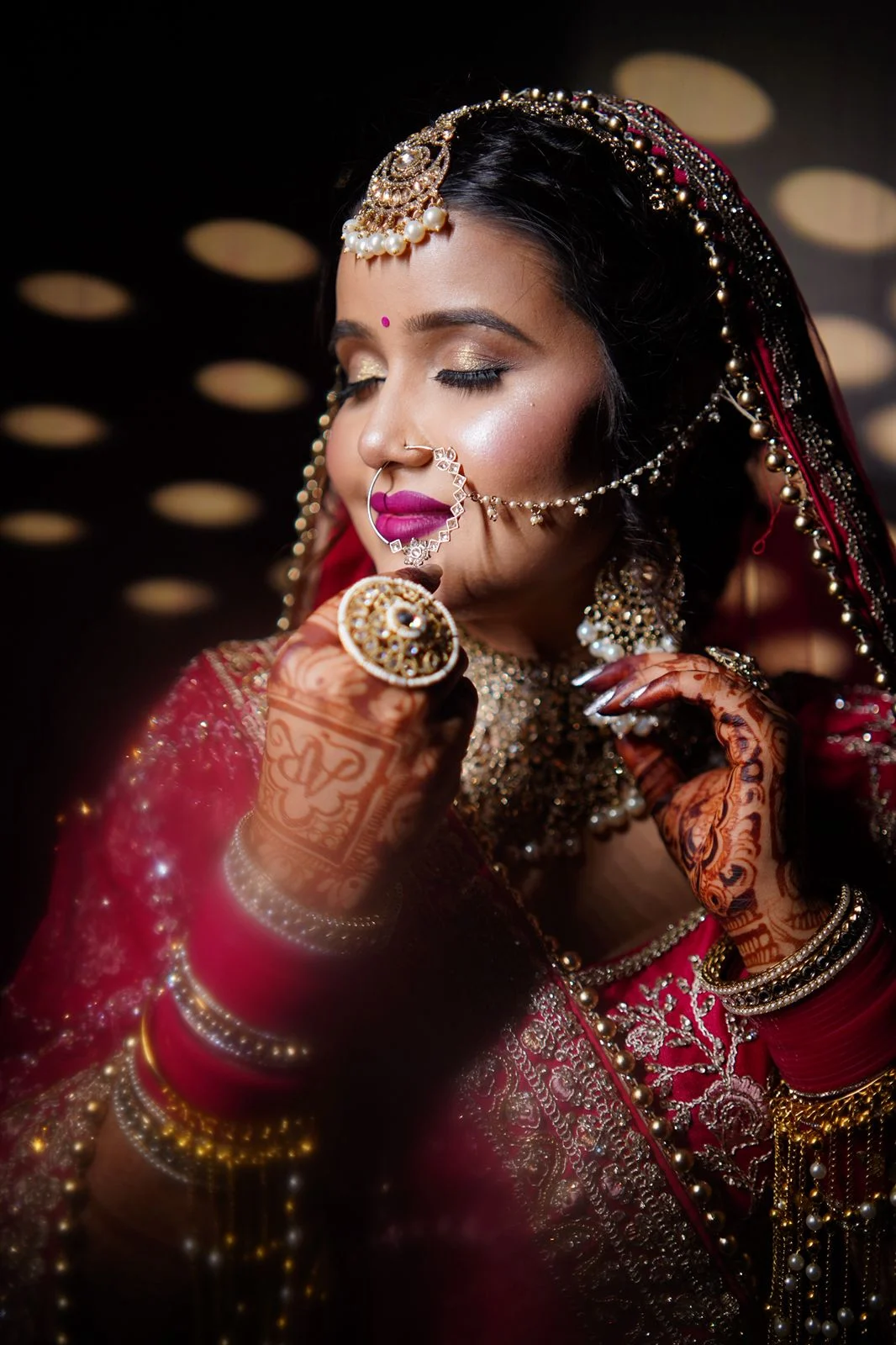
What Skincare Should a Bride Focus On Before the Wedding?
For many brides, preparing their skin for the wedding day involves starting a consistent, gentle skincare routine 3-6 months in advance. The core focus should be on simple, effective steps: cleansing, moisturising, and daily sun protection. Avoiding aggressive treatments and refraining from trying new products close to the wedding date can help prevent unexpected breakouts, sensitivity, or irritation.
Review Note — Skincare fundamentals mentioned in this guide align with general guidance from the American Academy of Dermatology.
Why Starting Your Skincare Routine Early Matters
A flawless makeup application heavily relies on the canvas underneath. For a bridal makeup artist, working with well-hydrated, balanced skin allows for a smoother, longer-lasting, and more radiant finish. However, achieving that balance takes time.
Skin requires a period of adjustment when introduced to any new product. The natural skin cycle takes approximately 28 days for cellular turnover. Starting your routine 3 to 6 months in advance provides enough time for your skin to adapt, for you to identify which products work harmoniously with your skin type, and crucially, gives you a substantial buffer to recover if a particular ingredient causes unexpected sensitivity, redness, or purging.
If you are dealing with persistent skin conditions such as severe acne, rosacea, or eczema, an early start is absolutely critical. This timeline allows you to consult a qualified dermatologist and safely follow a professional treatment plan without feeling rushed or relying on aggressive last-minute procedures that could harm your skin barrier right before the wedding.
In the world of bridal beauty, as emphasized in our bridal beauty timeline, consistency always outperforms intensity. Building a reliable routine early on reduces stress and helps you understand exactly how your skin behaves.
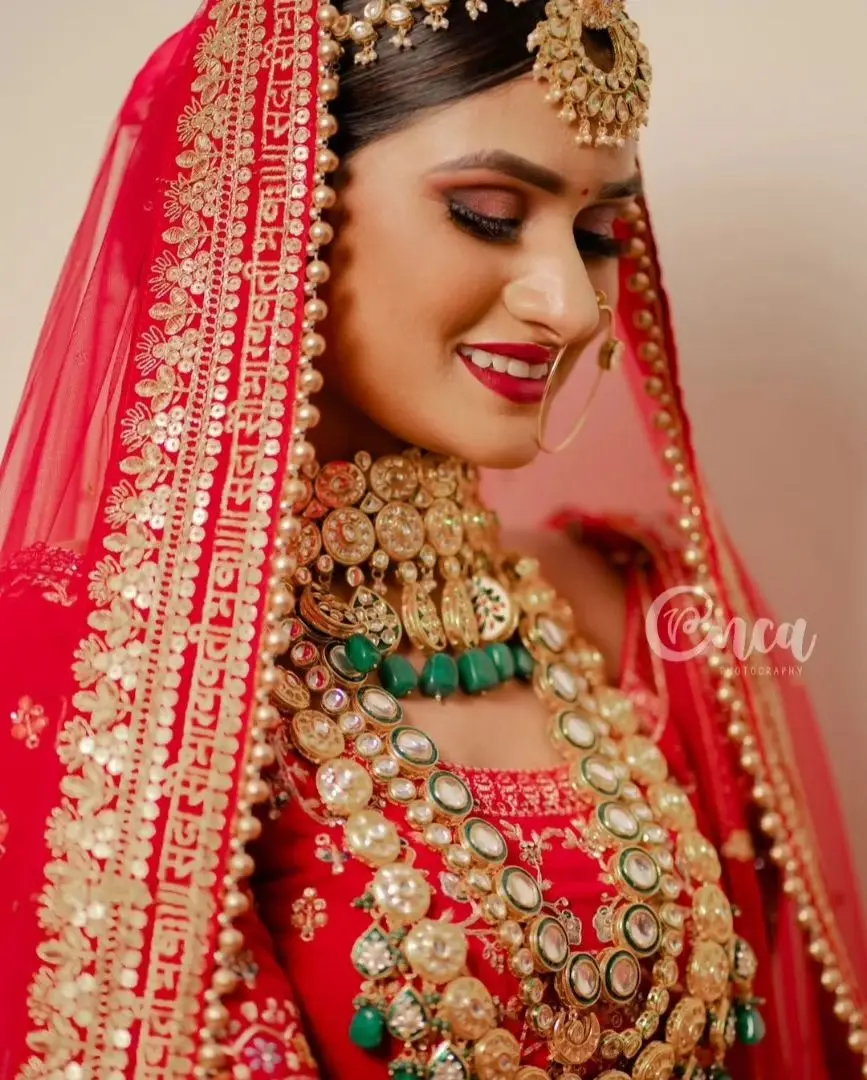
A Practical Pre-Wedding Skincare Timeline
A structured approach to preparing your skin. This timeline focuses on establishing safe habits and gradually winding down any experimentation as the wedding day approaches.
| Timeline | Skincare Focus | Key Actions |
|---|---|---|
| 3-6 Months Before | Establishing consistency | Begin a fundamental routine of gentle cleansing, moisturising, and SPF. Always patch test any new product before full use. Consult a dermatologist if you have specific skin concerns. |
| 1-3 Months Before | Settling the routine | Avoid introducing harsh active ingredients. Continue your consistent daily routine to maintain a healthy skin barrier. Focus on hydration and managing stress. |
| 1 Month Before | Gentle maintenance | Continue your established, trusted routine. Do not introduce any new products, not even sheet masks or serums, to avoid unexpected allergic reactions or breakouts. |
| 2 Weeks Before | Minimal changes | Strictly avoid aggressive facials, chemical peels, extractions, or new active ingredients. Stick purely to what your skin already knows and loves. |
| 1 Week Before | Rest the skin | Keep everything gentle and familiar. No experimentation whatsoever. Focus on internal hydration by drinking plenty of water and getting adequate sleep. |
| Wedding Morning | Pre-makeup prep | Cleanse with your familiar face wash. Apply a lightweight moisturizer you trust. Follow any specific skin-prep instructions provided by your makeup artist. |
The Core Elements of a Pre-Wedding Skincare Routine
A highly effective bridal skincare routine does not need to be complicated. In fact, keeping it simple is often the safest and most reliable path to achieving a beautiful bridal glow.
Gentle Cleansing & Moisturising
The foundation of good skin preparation begins with effective, gentle cleansing. Washing your face removes dirt, excess oil, and pollutants that can clog pores and dull your complexion. It is important to use a mild, non-abrasive cleanser that does not strip your skin of its natural oils. Over-washing or using harsh soaps can compromise the skin barrier, leading to dryness, irritation, and a difficult texture for makeup application.
Following cleansing, moisturising is essential for all skin types, including oily skin. A good moisturizer traps water in the skin, which can help reduce the appearance of fine lines and create a plump, smooth surface for your HD vs Airbrush makeup application. Consistent moisturising helps prevent the dry patches that can cause foundation to look flaky or uneven.
Sun Protection & Internal Hydration
Sun protection is arguably the most crucial step in any daytime skincare routine. Daily application of a broad-spectrum sunscreen can help protect your skin from harmful UV rays that cause premature aging, hyperpigmentation, and sunburn. A sunburn right before your wedding can be incredibly difficult for a makeup artist to cover and can cause significant discomfort. Make sure to apply SPF generously and reapply if you are spending time outdoors.
Equally important is internal hydration. Drinking adequate amounts of water daily can support overall skin health and elasticity. While topical products treat the surface, staying hydrated, getting sufficient sleep, and managing wedding planning stress play a massive role in how your skin looks and feels on the big day.
What to Avoid Before the Wedding
Sometimes, what you choose not to do is just as important as your daily routine. Avoid these common skincare mistakes to ensure your skin remains calm and balanced.
1. New Products Without Patch Testing
Introducing a new serum, cream, or even a basic sheet mask right before the wedding is a significant risk. If your skin reacts poorly, you may experience redness, swelling, or contact dermatitis. Always patch test any new product on a small area of skin (like behind the ear) for a few days before applying it to your entire face.
2. Aggressive Last-Minute Facials
While a facial might sound relaxing, aggressive treatments like chemical peels, microdermabrasion, or extractions performed close to the wedding date can cause purging (a temporary flare-up of breakouts) or leave the skin raw and peeling. Any intensive treatments should be completed months in advance.
3. Over-Exfoliation
Exfoliation can help remove dead skin cells and improve texture, but overdoing it is a very common bridal mistake. Using harsh scrubs or high concentrations of chemical exfoliants (like AHAs or BHAs) too frequently can damage your skin barrier, leading to tight, shiny, and highly sensitive skin that repels makeup.
4. Skipping Sun Protection
Failing to protect your skin from the sun can lead to sunburn, uneven skin tone, and exacerbated hyperpigmentation. A fresh sunburn is difficult to conceal, changes the texture of your skin, and makes makeup application painful. Consistent use of a reliable, tested SPF is non-negotiable.

The Makeup Trial and Your Skincare
Your bridal makeup trial is the perfect opportunity to bridge the gap between your skincare routine and your final wedding day look. When you attend your trial, it is best to arrive with your skin prepped exactly as it normally is—using the routine you plan to stick with.
This is the time to openly communicate any known skin sensitivities, allergies, or concerns with your makeup artist. Discussing your skin type (oily, dry, combination) helps the artist select the correct primers, foundations, and setting products. The trial allows both you and the artist to monitor how the makeup wears on your specifically prepped skin throughout the day, ensuring everything remains flawless and comfortable for the long hours of your wedding.
Wedding Week and Wedding Morning Preparation
As the big day approaches, your strategy should shift from preparation to pure maintenance and preservation.
The Wedding Week
During the final week leading up to your wedding, your primary goal is to rest your skin. This is not the time to introduce that luxury face mask a friend gifted you, nor is it the time to try a new exfoliant. Stick rigidly to the familiar, gentle routine you have relied on for the past few months. Focus heavily on managing your stress levels, getting as much sleep as possible, and maintaining a high level of internal hydration. If a sudden breakout occurs, do not panic and do not aggressively pick at it; simply apply a trusted spot treatment or consult your dermatologist.
The Wedding Morning
On the morning of your wedding, as outlined in our comprehensive wedding morning checklist, keep your skin prep incredibly simple. Cleanse your face with your usual, trusted mild cleanser to remove any overnight oils or skincare residue. Apply a light layer of your daily moisturizer. Crucially, avoid heavy creams, facial oils, or thick sunscreens unless specifically advised by your makeup artist, as these can interfere with how the bridal makeup adheres to your skin. Always defer to the specific skin-prep instructions your artist has provided.
When to Consult a Dermatologist
While a good basic routine works wonders for many, there are situations where professional medical guidance is the safest and most effective route.
If you struggle with persistent skin concerns such as severe or cystic acne, rosacea, eczema, or significant hyperpigmentation, it is highly recommended to consult a board-certified dermatologist well in advance of your wedding (ideally 6-12 months prior). A dermatologist can properly diagnose skin conditions and prescribe a safe, effective treatment plan tailored specifically to you.
Never attempt to self-diagnose or self-treat serious skin issues with over-the-counter products, especially close to your wedding date, as this can often exacerbate the problem. Professional guidance ensures you are taking the safest path toward a healthy complexion.
Key Takeaways
A summary of responsible pre-wedding skincare practices for a stress-free bridal experience.
- ✦ Start Early: Begin your consistent routine 3-6 months in advance.
- ✦ Keep It Simple: Focus on gentle cleansing, proper moisturising, and daily sun protection.
- ✦ Never Skip the Patch Test: Always test new products on a small area of skin before full application.
- ✦ Avoid Last-Minute Changes: Do not introduce new products, sheet masks, or aggressive facials within the final weeks.
- ✦ Communicate: Be completely honest with your makeup artist during your trial about your skin type and any sensitivities.
- ✦ Seek Professional Help: Consult a qualified dermatologist for persistent skin concerns rather than trying to self-treat. Add this to your ultimate bridal checklist early on.
Frequently Asked Questions
General skincare practices and recommendations on this page are supported by guidance from the American Academy of Dermatology (face washing) and AAD sunscreen FAQs. This guide is for educational purposes regarding makeup preparation and does not constitute medical advice. For skin diagnosis or treatment, always consult a qualified dermatologist.